JAGUAR C1102 Xke Eared Spinner Knock Rh MK2
fits model: Xk140, S1, Xk120, Xk150. make: Jaguar.
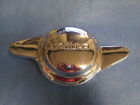
( Manufacturer Part Number: C1102 ), ( Part Type: Spinner )
Review JAGUAR Xke Type Mk2 Chrome Two Eared Spinner Knock Rh fits XK140 S1 XK120 XK150
The XK140 Jaguar XKE S1 XK120 XK150 MK2 Eared Spinner Knock Rh C1102 is a unique and fascinating automotive part that is designed to enhance the performance and aesthetic appeal of your classic Jaguar XK series vehicle. This part, specifically a knock sensor, is a crucial component of your vehicle's engine management system.
The XK140 Jaguar XKE S1 XK120 XK150 MK2 Eared Spinner Knock Rh C1102 is an eared spinner type knock sensor, which is designed to detect engine knocking or detonation. This knocking is caused by the premature ignition of the fuel-air mixture in the engine cylinders, which can lead to engine damage if left unchecked. The eared spinner design of this sensor allows for improved sensitivity and accuracy in detecting engine knock, ensuring optimal engine performance and longevity.
This knock sensor is also designed with a Rh (right-hand) thread, making it easy to install on your Jaguar XK series vehicle. The sensor is made from high-quality materials, including a corrosion-resistant housing and a durable sensor element, ensuring long-lasting performance and reliability.
The unique feature of this XK140 Jaguar XKE S1 XK120 XK150 MK2 Eared Spinner Knock Rh C1102 is its eared spinner design, which sets it apart from other knock sensors on the market. This design allows for improved sensitivity and accuracy, making it an excellent choice for Jaguar XK series owners who prioritize engine performance and reliability.
In summary, the XK140 Jaguar XKE S1 XK120 XK150 MK2 Eared Spinner Knock Rh C1102 is a high-quality, eared spinner type knock sensor designed to enhance the performance and reliability of your Jaguar XK series vehicle. Its Rh thread design ensures easy installation, while its durable construction ensures long-lasting performance. With its unique eared spinner design, this knock sensor offers improved sensitivity and accuracy, making it an excellent choice for Jaguar XK series owners who prioritize engine performance and reliability.
Jaguar XK140, XK120, XK150, Mk2, and E-type (C1102) are all classic British sports cars known for their iconic design, powerful engines, and refined driving experience. Let's discuss the pros and cons of buying any of these models to help you make an informed decision.
Jaguar XK140 (1954-1957): Pros:1. Rare and desirable: The XK140 is a sought-after classic, making it a valuable investment for collectors.
2. Classic Jaguar design: It features timeless Jaguar styling, including the famous "XK" grille and sweeping fenders.
3. Powerful engine: The XK140 is equipped with a powerful 3.4-liter straight-six engine that delivers exceptional performance.
Cons:1. Maintenance costs: Classic cars require regular maintenance and repairs, which can be expensive.
2. Rust: As with many classic cars, the XK140 can be susceptible to rust, especially in areas with high humidity.
3. Limited creature comforts: The XK140 is a classic sports car, so it lacks modern amenities like power steering, air conditioning, and safety features.
Conclusion: The Jaguar XK140 is a desirable classic with a powerful engine and iconic design. However, potential buyers should be prepared for the high maintenance costs and the risk of rust.
Jaguar XK120 (1948-1954): Pros:1. Historical significance: The XK120 is one of the most iconic classic sports cars, and its design inspired many other models.
2. Affordable compared to later models: Compared to the XK140, XK150, and E-type, the XK120 is more affordable, making it an accessible investment for many.
3. Lightweight and agile: The XK120's lightweight construction and excellent handling make it a fun and exciting driving experience.
Cons:1. Limited comfort: Like the XK140, the XK120 lacks modern amenities, which can make it less comfortable than newer cars.
2. Rust: As with most classic cars, the XK120 is susceptible to rust, especially in areas with high humidity.
3. Limited performance: The XK120's 3.4-liter engine is powerful for its time, but it may not be as fast or as powerful as later models.
Conclusion: The Jaguar XK120 is an affordable and historical classic with excellent handling and a fun driving experience. However, potential buyers should be prepared for the risk of rust and the lack of modern comforts.
Jaguar XK150 (1957-1960): Pros:1. Improved performance: The XK150 features a more powerful engine than the XK120 and XK140, delivering improved performance.
2. Enhanced comfort: The XK150 features more comfortable seating and better sound insulation, making it a more enjoyable driving experience.
3. Desirable design: The XK150 shares many design elements with the XK120 and XK140, but it has a more refined and elegant appearance.
Cons:1. Maintenance costs: Like other classic cars, the XK150 requires regular maintenance and repairs, which can be expensive.
2. Rust: Classic cars are susceptible to rust, and the XK150 is no exception.
3. Limited modern amenities: The XK150 lacks modern features like power steering, air conditioning, and safety features.
Conclusion: The Jaguar XK150 is a powerful and comfortable classic with a desirable design. Potential buyers should be prepared for the high maintenance costs and the risk of rust.
Jaguar Mk2 (1959-1967): Pros:1. Versatility: The Mk2 was available in several body styles, including sedans, coupes, and convertibles, offering buyers more choices.
2. Affordable: Compared to other classic Jaguars, the Mk2 is more affordable, making it a more accessible investment for many.
3. Reliability: The Mk2 is known for its reliability and durability, making it a practical classic car.
Cons:1. Lack of performance: The Mk2's 3.4-liter engine may not be as powerful or as fast as other classic Jaguars.
2. Limited modern amenities: The Mk2 lacks modern features like power steering, air conditioning, and safety features.
3. Less desirable: The Mk2 is not as desirable or collectible as other classic Jaguars, which may impact its resale value.
Conclusion: The Jaguar Mk2 is a reliable and versatile classic car with affordable prices. However, potential buyers should be aware that it may not be as fast or as desirable as other classic Jaguars.
Jaguar E-type (C1102) (1961-1975): Pros:1. Iconic design: The E-type is one of the most iconic and beautiful classic cars, with its sleek and aerodynamic design.
2. Powerful engine: The E-type is equipped with a powerful 3.8-liter or 4.2-liter straight-six engine that delivers exceptional performance.
3. Desirable collectible: The E-type is a highly sought-after collectible, making it a valuable investment for collectors.
Cons:1. High maintenance costs: Classic cars require regular maintenance and repairs, and the E-type is no exception.
2. Rust: Classic cars are susceptible to rust, and the E-type is no exception.
3. Limited modern amenities: The E-type lacks modern features like power steering, air conditioning, and safety features.
Conclusion: The Jaguar E-type is a desirable and powerful classic with an iconic design. However, potential buyers should be prepared for the high maintenance costs and the risk of rust.
Recommendation: If you are looking for a classic Jaguar that is both affordable and fun to drive, the XK120 or XK150 would be great choices. If you are looking for a more powerful and desirable classic, the E-type is an excellent option. Regardless of which model you choose, be prepared for the high maintenance costs and the risk of rust. It's important to do your research, inspect the car thoroughly, and consider working with a reputable mechanic or classic car specialist to ensure that the car is in good condition.
Details:
For your consideration is a good used rh two eared wheel knock-off spinner. This looks to have been re-chromed but has a few scratches as seen in the last pic. This is correct for e-type S1 cars but will fit all e-types and many other classic jags.
I'll combine shipping.
part #: c1102 prices
- $75.00-$112.50
specifications hubcatri:
- for models: Xk140, S1, Xk120, Xk150
- for makes: Jaguar
- mpn: C1102
- part type: Spinner
Returns hubcatri:
- paid by: Buyer
- time: 30 Days
- policy: returns accepted
- type: Money Back
Shipping hubcatri:
- handling: 1 days
- cost: $8.95
- type: Flat
Seller hubcatri:
- zipcode: 47303
- city: Muncie, Indiana
Payments hubcatri:
- PayPal
Offer hubcatri:
- Started: July 14, 2018, 5:37 am
- best offer: false
- bids: 0
- quantity: 1
- Sold: 0
General hubcatri:
- in stock: Yes
- motors > partsaccessories > vintage cartruck parts > wheels tireshub caps > hub capstrim wheels tires hub caps
- condition: Used
Ratings:
- Received item and was pleased - thanks. 06-26-18
- Great value, quick ship. These folks are greats 07-08-18
- '. ' '. ' Rocks the HOUSE '. ' '. ' 06-30-18
- Just as described fast service fair price 06-25-18
Jaguar C1102 Is Similar To:
- 1466 Lh 1467 Rh Jaguar Spinner Center Cap Oem Vintage (37.1% similar) Pictures are the best. Beat up, still nice pieces...(October 17th, 2018)
- Cap-mk2 Jaguar Vintage Hub S-type 4 (35.4% similar) Shipping within continental USA only. Again, the chrome is perfect. Please examine all photos carefully. There are some slight dings, but no rust. Backside of hub cap still retains all its primer. The chrome is in perfect condition as well emblem. This is an excellent restoration hub cap. This used ...(March 5th, 2017)
- C1102r Jaguar Wire Wheel Two Eared Knock Off Hub Nuts 1949-1968 Right Side (54.2% similar) This is from an xke that we had, for the past 30 years it as been oar stop...(March 24th, 2016)
- C.3041 Jaguar Classic 3.8 S 420 Mk2 Xke Original Wheel Nuts Set Of 5 4 (33.3% similar) Original jaguar factory nuts. Shipping at cost. Removed from MK2 340 sedan...(June 6th, 2016)